
why choose tungsten?
When it comes to modern fishing, the shift from traditional lead to tungsten jigs is becoming increasingly clear, and for good reason. If you’re weighing tungsten vs lead, the advantages of tungsten go far beyond hype and directly impact performance, sustainability, and overall fishing experience.
Tungsten is significantly denser (about 1.7 times) than lead, which allows micro jigs to be much smaller while maintaining the same weight. This compact profile creates a more natural presentation in the water, making it especially effective for pressured fish and finesse applications. The higher density also means faster sink rates and superior sensitivity, helping anglers stay connected to the jig and detect subtle bites with greater precision.
In moving water or deeper conditions, tungsten jigs clearly outperform lead. Their smaller surface area cuts through current more efficiently, allowing better bottom contact and control. This translates into improved jig action, more accurate depth control, and consistent performance even in challenging environments.
Beyond performance, choosing tungsten is a responsible step toward sustainability. Lost lead tackle contributes to long-term environmental contamination, posing risks to marine life and freshwater ecosystems. Tungsten, on the other hand, is widely recognised as a safer and more eco-friendly tackle material, making it the better choice for anglers who care about the waters they fish.
Durability is another key advantage. Tungsten is harder and more resistant to deformation than lead, meaning your jigs retain their shape and performance over time. This not only improves longevity but also offers better value in the long run.
Ultimately, switching to tungsten jigs isn’t just an upgrade in gear; it’s a commitment to performance fishing and better stewardship of our waters. For anglers seeking performance-driven, compact, and eco-conscious solutions, tungsten stands as the clear winner.
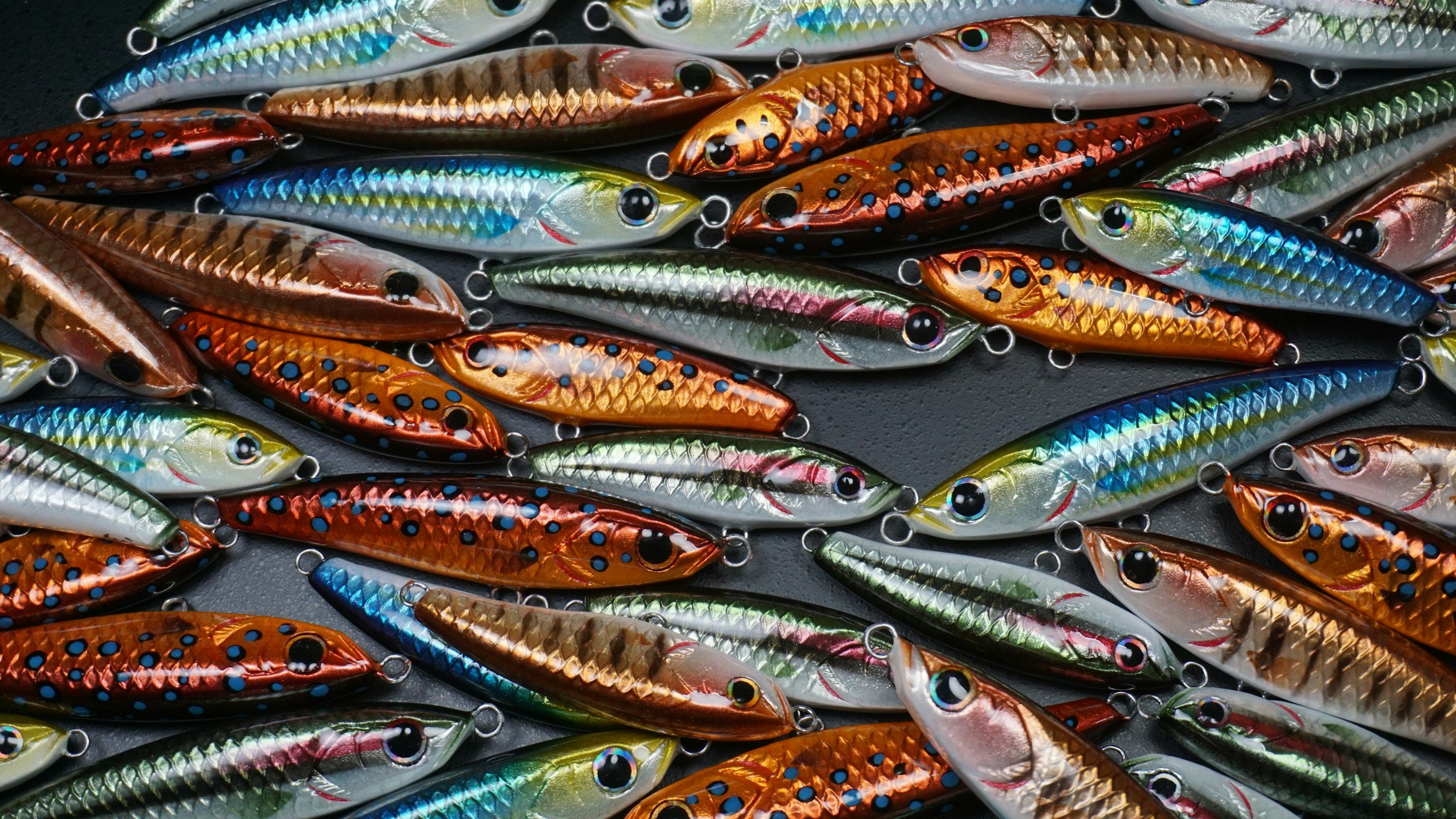
Lead lures